Lifestyle
How Impact Windows Protect Your Home During Hurricane Season
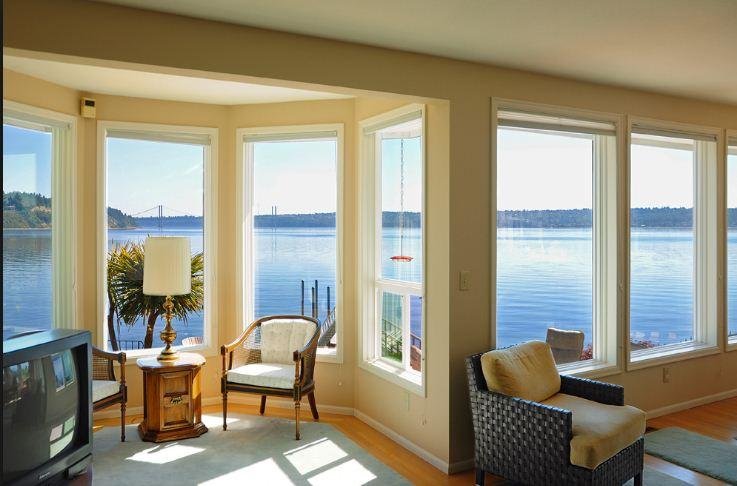
Hurricane season in Florida runs from June 1 to November 30. Every year, homeowners watch the forecasts and hope the storms miss them. But hope is not a plan. When a hurricane hits, wind and flying debris often break through windows first. Once a window fails, wind rushes inside, pressure builds, and the roof can lift off. That is how a broken window turns into a destroyed home. Impact windows are built to stop that chain of damage. They use laminated glass and strong frames that hold together even when hit by debris. They stay in place, keep the wind out, and protect the people inside.
In this article, I’ll explain how impact windows work, what tests they pass, how they compare to shutters, and what to look for before you buy. You’ll also learn about insurance savings, building codes, and why so many South Florida homeowners now choose them.
Table of Contents
Why Windows Are the Weak Point in a Storm
Most homes are built to handle normal weather. Walls, roofs, and foundations can take a lot. Windows are different. Standard glass is thin and breaks easily, and a small branch moving at high speed can shatter it.
When that happens, the problem gets worse fast. Wind enters the house and pushes up on the roof from the inside. At the same time, wind outside pulls on the roof from above. This is called internal pressurization. It is one of the main reasons roofs fail during hurricanes.
So protecting your windows is not just about saving glass. It is about keeping the whole structure sealed.
What Makes an Impact Window Different
An impact window looks like a regular window. But it is built very differently.
Laminated glass. Impact glass has two layers of glass with a strong plastic layer in between. This middle layer is usually PVB (polyvinyl butyral) or SGP (SentryGlas), which is stiffer and stronger. When debris hits the glass, it may crack. But the pieces stick to the plastic layer instead of falling out. The opening stays covered.
Reinforced frames. The frames are made of heavy aluminum or reinforced vinyl. They are thicker than standard frames and built to resist bending under high wind loads.
Deep glazing and strong anchoring. The glass sits deeper in the frame, so it is harder to push out. The frame is then anchored into the wall with more fasteners than a standard window. A strong window with weak installation will still fail, so this part matters a lot.
Think of a car windshield. If a rock hits it, the glass cracks, but it does not fall into your lap. Impact windows work on the same idea, with much stronger materials.
The Tests Impact Windows Must Pass
Impact windows are not rated by marketing claims. They have to pass lab tests.
In Florida, the toughest standards apply in the High-Velocity Hurricane Zone (HVHZ), which covers Miami-Dade and Broward counties. Products used there must meet Florida Building Code testing protocols, often referred to as TAS 201, 202, and 203.
Here is what those tests do:
- Large missile impact test (TAS 201). A 9-pound 2×4 piece of lumber is fired at the glass at about 50 feet per second, roughly 34 mph. The glass can crack, but it cannot open up.
- Cyclic pressure test (TAS 203). After impact, the window goes through thousands of pressure cycles. This copies the push and pull of hurricane winds over hours.
- Uniform static pressure test (TAS 202). The window is tested for air and water leaks and for how it handles steady wind pressure.
Outside the HVHZ, many products are tested to national standards like ASTM E1886 and ASTM E1996. When shopping, ask for the product’s Florida Product Approval number or Miami-Dade Notice of Acceptance (NOA). That tells you it has passed these tests.
How Impact Windows Work During a Real Hurricane
Here is what happens when a storm reaches your house.
First, the wind picks up. Impact windows are rated for a design pressure (DP), which shows how much wind load they can handle. Higher DP ratings are needed for coastal homes and upper floors.
Next comes debris. Roof tiles, patio furniture, tree limbs, and signs start flying. When something hits an impact window, the outer glass may break. But the inner layer holds. Wind and rain stay out.
Then the storm keeps going. Hurricane winds are not steady. They gust and shift for hours. The frame and anchoring keep the window in place through all of it.
After the storm, you may need to replace a cracked pane. But your home stays sealed, your roof stays on, and the damage stays small.
Impact Windows vs. Hurricane Shutters
Shutters have been used in Florida for a long time. They work, but they have limits.
Shutters:
- Must be put up before every storm
- Panels can be heavy and hard to install
- Need storage space
- Block light, so the house goes dark
- Offer no protection if you’re away and can’t close them
Impact windows:
- Always in place, no setup needed
- Let light in during storms
- Protect your home even when you’re traveling
- Add security and noise reduction all year
Shutters cost less upfront. But many homeowners get tired of putting them up every time a storm forms in the Atlantic. And if a storm shifts quickly, there may not be time. Impact windows remove that stress.
Benefits That Last Beyond Hurricane Season
Impact windows are bought for storms. But you get value from them every day.
Better security. Laminated glass is hard to break through. A burglar can hit it many times and still not get in. That alone makes many homeowners feel safer.
Less noise. The thick glass and plastic layer cut down on outside sound. If you live near a busy road, an airport, or a nightlife area, you’ll notice the difference.
UV protection. The inner layer blocks most UV rays. That helps keep floors, furniture, and artwork from fading in the Florida sun.
Energy savings. Many impact windows come with Low-E coatings and insulated glass. These reduce heat coming in, which can lower your cooling costs.
Home value. Buyers in South Florida look for impact windows. Homes that have them often sell faster, and some buyers won’t consider a house without them.
Insurance Savings and Florida Building Code
Florida homeowners pay some of the highest insurance rates in the country. Impact windows can help.
Under Florida law, insurers must offer discounts for wind mitigation features. To get the discount, you need a wind mitigation inspection. A licensed inspector checks your windows, doors, roof, and other features, and the report goes to your insurance company.
To get the full opening protection credit, all openings need to be protected. That includes windows, entry doors, sliding glass doors, and garage doors. If one opening is left unprotected, you may get a smaller discount or none at all.
Building code also matters. In most of Florida, new construction and major renovations must have protected openings. In the HVHZ, the rules are stricter. If you replace windows, the new ones usually have to meet current code. Your installer should pull permits and handle inspections.
Some state programs have offered grants or matching funds for hardening homes, like My Safe Florida Home. Funding and rules change from year to year, so check the current status before you plan around it.
Don’t Forget Your Doors
Many homeowners upgrade their windows and stop there. That’s a mistake.
Doors are large openings. Sliding glass doors, French doors, and front doors can fail just like windows. Garage doors are often the biggest opening in the house, and they’re a common failure point. When a garage door blows in, wind enters and pushes on the roof.
If you’re protecting your home, protect every opening. Homeowners looking for impact doors fort lauderdale should look for the same product approvals and DP ratings they would check for windows.
What to Look for When Buying
Not all impact windows are the same. Here’s what to check:
- Product approval. Ask for the Florida Product Approval number or Miami-Dade NOA.
- Design pressure rating. Make sure it matches your home’s location and height.
- Glass type. Ask whether it uses PVB or SGP interlayers. SGP is stronger and often used in larger openings.
- Frame material. Aluminum is strong and common in Florida. Vinyl can offer better insulation.
- Installer license. Hire a licensed and insured contractor who pulls permits.
- Warranty. Check what is covered and for how long, including glass, frame, and labor.
- Timing. Don’t wait until August. Lead times and installer schedules fill up fast once hurricane season starts.
If you’re comparing options for impact windows fort lauderdale, get at least two or three quotes. Ask each company to explain its products and the testing behind them.
How to Maintain Impact Windows
Impact windows need little upkeep. But a few simple steps help them last.
- Clean the glass and frames with mild soap and water
- Keep the tracks clear of dirt and sand
- Check the seals and weatherstripping once a year
- Lubricate locks and moving parts as the maker suggests
- Inspect for damage after any major storm
Salt air near the coast can be hard on metal parts. Rinse frames now and then if you live close to the beach.
Final Thoughts
Hurricanes will keep coming to Florida. You can’t stop them, but you can prepare your home. Impact windows keep wind and debris out, protect your roof, and help keep your family safe. They also lower noise, improve security, and may cut your insurance costs.
They are a real investment. But compared to the cost of storm damage, many homeowners find they’re worth it. Start planning early, check product approvals, and hire a licensed installer. That way, when the next storm forms, you’ll be ready.



-

 Business5 years ago
How to Do Long-Distance Moves with Children
-
 Business3 years ago
The Ultimate Guide To Thriving In Your Printing Franchise
-
Business3 years ago
Exploring The Benefits And Challenges Of Restaurant Franchising
-

 Tech5 years ago
Cyber Table That Will Change Your Life
-

 Biography4 years ago
Melody Marks- Personal Life, Education, Career, And Much More
-
Lifestyle3 years ago
Dallas’ Hidden Gems: 6 Must-Try Restaurants Off The Beaten Path!
-

 Business6 years ago
Is Guest Posting a Good Inbound Marketing Strategy?
-
Lifestyle3 years ago
Top 10 Restaurant Franchises In The US






Recent Comments